
EVALUATION
All Level MHE Training – PROVIDE TAILORED ON SITE TRAINING.
Category 2 registered operator training provider .
We can provide training courses for ALL Levels of ability from Novice, Beginner to experienced, full time operator. We can also evaluate existing operators to determine existing competency.
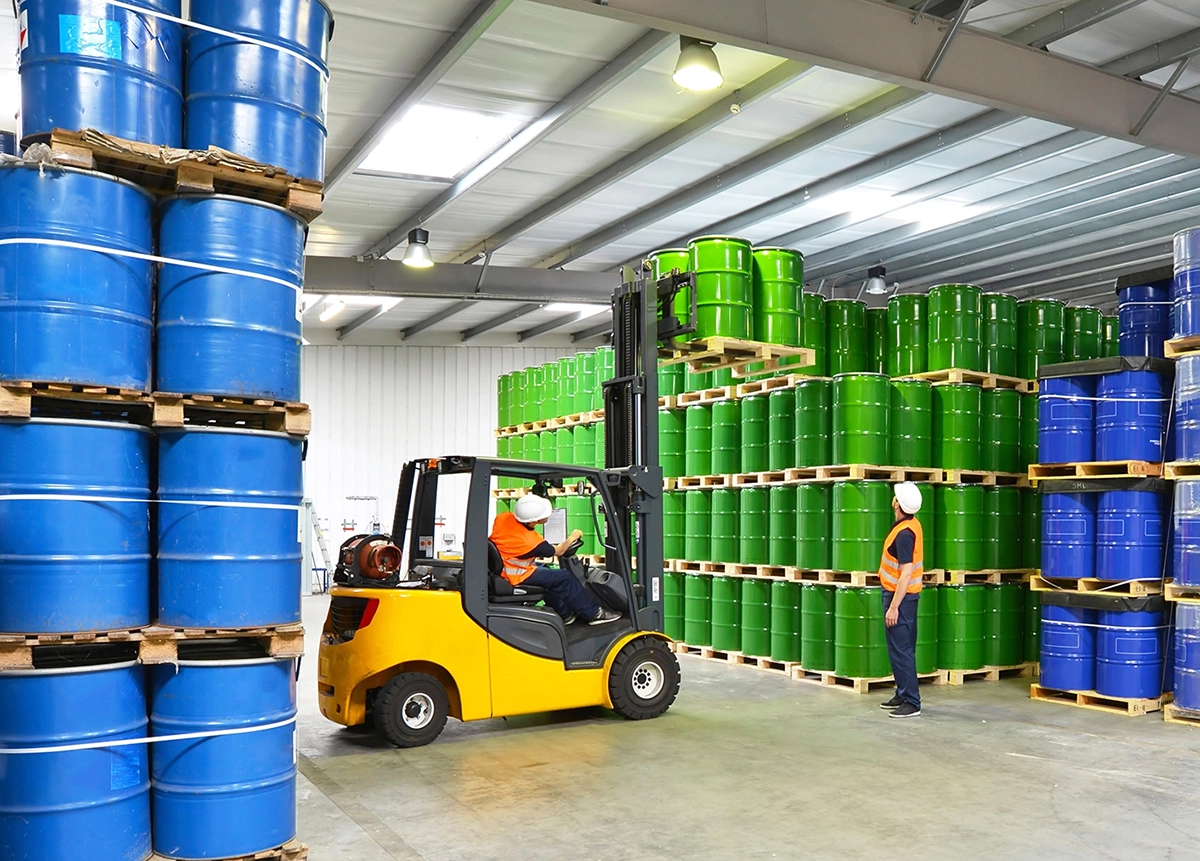
Safety first
Daily Inspections
To maintain proper function and maximize forklift safety, forklift trucks should be inspected thoroughly before every shift, including performing designated daily safety checks. Problems should be reported to the shift supervisor immediately, and the truck should be removed from service.
Plan According to the Operating Environment
Before driving a forklift, the operator should inspect the planned route for any hazards or obstacles. Loose materials on the floor should be moved aside to create a clear path. Overhead clearances should be compared to the height of the forklift when carrying the designated load. Bridge plates and loading ramps should be checked to ensure they can handle the combined weight and width of the forklift and load. Obstacles such as ramps, train tracks, and elevators should be navigated slowly and properly. Bumps, holes, wet areas, and sharp turns should be avoided; an alternate, easier route is preferable, if possible.
Stability and capacity
Maintain Load Stability
Before picking up a load, the operator should inspect the load for balance and stability. The load should be as symmetrical and secure as possible with a low center of gravity, and it should be carried as far back on the forks as possible rather than on the tips. When driving on ramps, the load should be kept higher than the body of the forklift; ramps should be driven up forwards and driven down in reverse.
Respect Forklift Capacity
To maximize forklift safety, the operator should know the load capacity as displayed on the rating plate and avoid overloading the truck. Counterweights should never be used to try to increase the load capacity, which includes the weight of any attachments. Discover how our courses can benefit your business.
Visibility
Maintain Clear
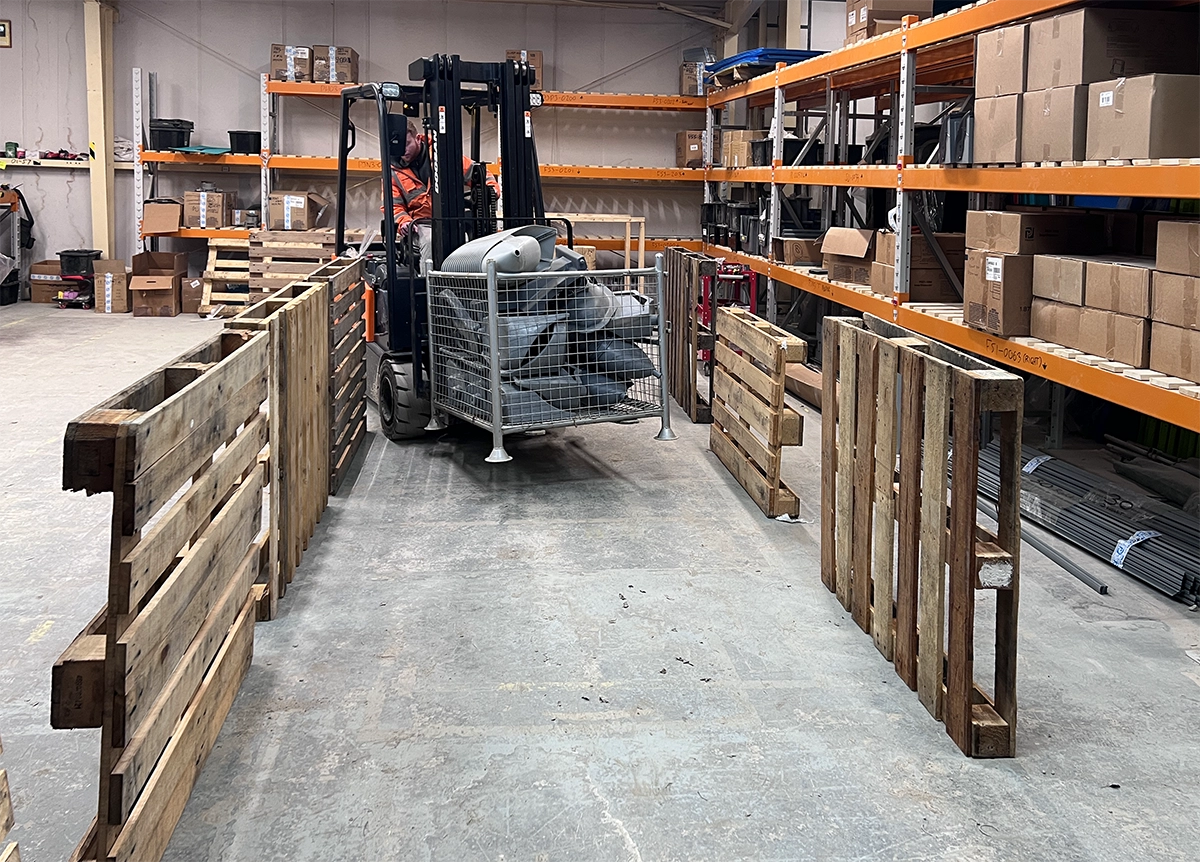
To ensure clear forward visibility, the load should be short and carried low to the ground; if visibility is restricted, then the forklift should be driven in reverse slowly to improve visibility, except when driving up ramps. If visibility is reduced due to obstacles such as high stacks or corners, then the operator should stop and confirm it is safe to proceed; a lookout may be required to ensure safety. Discover how All Level Material Handling Training can help you and your business, contact us here.
Objectives
Objectives of Material Handling
The main objective is to reduce the number of handlings as well as the overall costs of material handling equipment and reducing the distances through which the materials are handled.
The primary objective of using a material handling system is to ensure that the material in the right amount is safely delivered to the desired destination at the right time and at minimum cost.
Action
The primary objective
- Promote productivity
- Reduction in manufacturing cycle time
- Increased storage capacity through better utilisation of storage areas
- Contribution to better quality by avoiding damage to products by inefficient handling
- Higher productivity at lower manufacturing costs
- Improved working conditions and greater safety in the movement of materials
Functions
Functions of Material handling
- Proper equipment should be selected
- Speedup the material movement
- Avoid back-tracking and duplicate handling
- Selecting shortest routes
- Economise handling
- Avoid damage to material in transit
- Utilise gravity for assisting material
- Repair and maintenance